-
💼 Case Studies
Examples of my experience as a Design Leader
-
🛠️ Projects & Products
Projects and Products I've led
-
Exadel /
-
e470 Toll Review
Exadel
-
🫡 Director of Product Design Led a team of UXRs through a Discovery and Usability study
-
📈 15%
faster transactions
-
➕ 17%
transactions / hour
-
🌎 Service-level
Systems Understanding
-
-
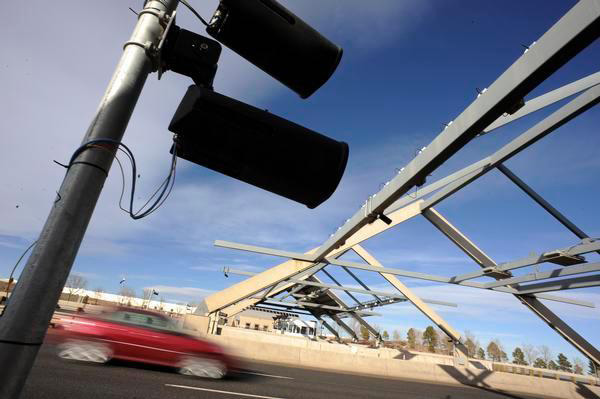
E470 - a toll road servcing the eastern outskirts of Denver

💼 Case:
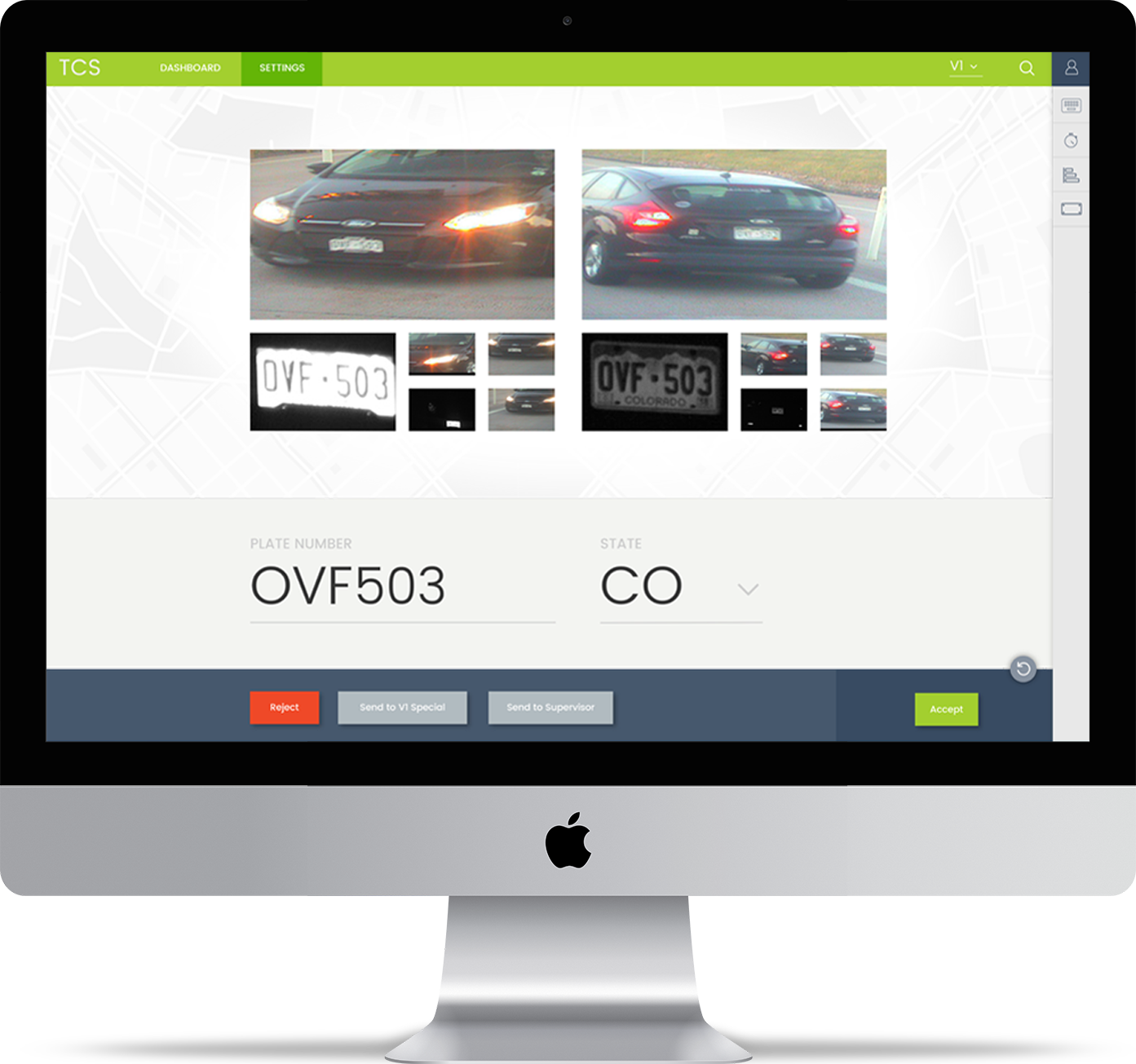
A Toll Road company approached my team at Exadel for help achieving more efficiency with their Image Processing Department’s current Software Toolset.
⚠️ The problem:
While it was clear the stakeholders were interested in more efficiency, I quickly understood two major problems.
1. This was a Service Design challenge - the desired efficiency gains were stacked on top of an already impressive 6 second handle time for the image processors. In other words, I would need to examine much more than just the software sitting in front of the Image Processors to influence improvement.
2. As with many Design endeavors, the stakeholders here needed supportive education about how human behavior, psychology and the surrounding environment could all positively impact their goals.
🛠️ Process:
As design director, I postured this as a Service Design exercise and led my team through Context Inquiry observations, interviews and research to improve the already impressive 6 second HT. Not only is the software important, but so is the surrounding systems, schedules and environment of the processors.
While this project was focused on improving the handle time and general productivity of License Plate reviewers, they were already dramatically efficient. As we investigated their environment, software and working habits, I took a transparent approach to sharing what we were investigating and why. This enabled my team and I to update the customer regularly and educate stakeholders about psychological concepts like Flow state and Autonomy, both important in our final recommendations.
-
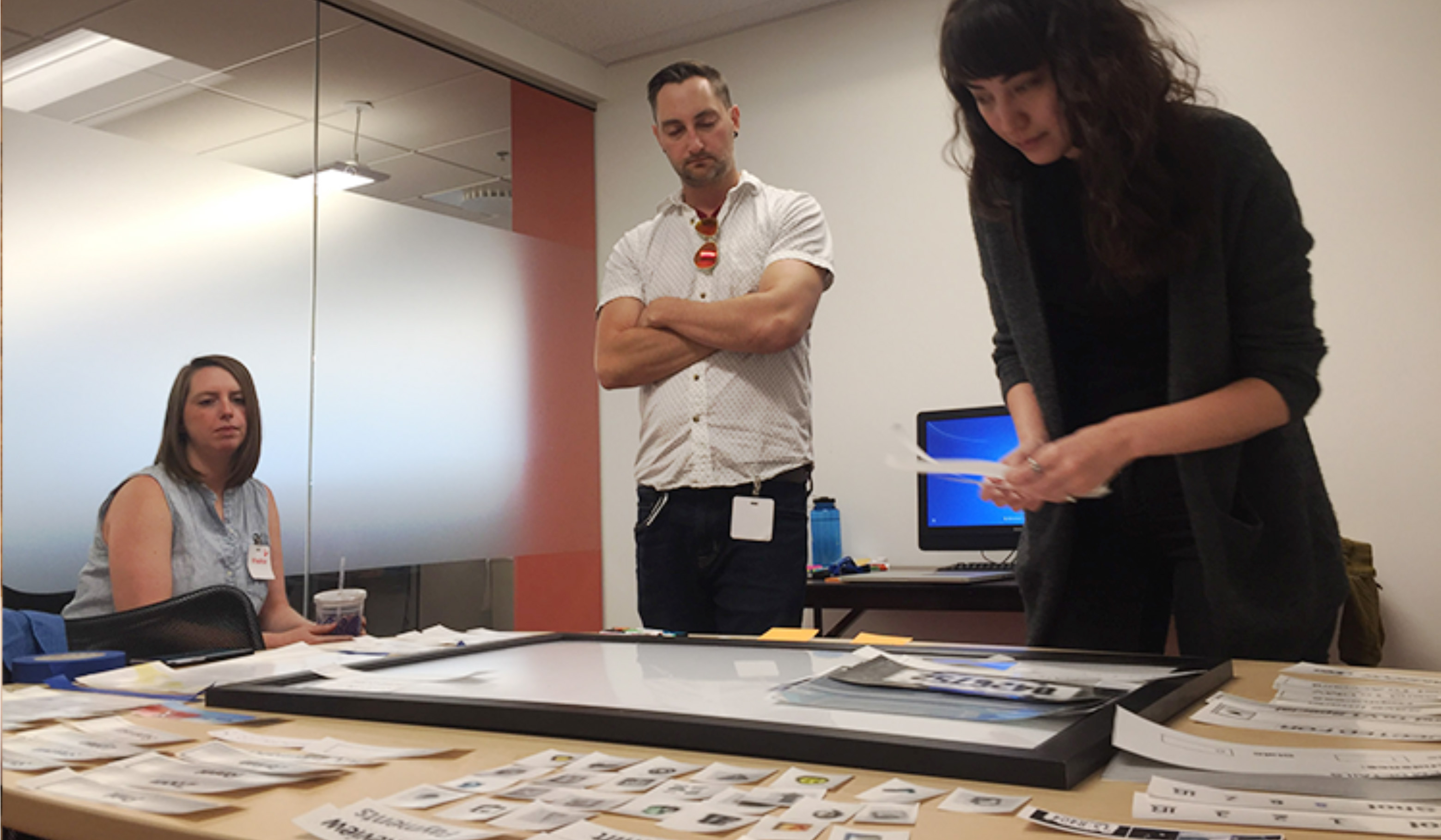
Observation during a Paper Prototyping exercise
View a detailed look at the e470 Project ↓
✅ Results:
We found that the image reviewers were extremely satisfied and productive due to their autonomous working environment and schedule and, possibly most important - incredibly fast when able to achieve a flow state with their processing. Of course we also modernized their software - simplifying the interface to support their focused activity and raise visibility of the license plate images they were attempting to decipher.
Ultimately I was able to accomplish 15% faster transaction times as a result of our improvements.
✉ Contact me to discuss this product and work in more detail.
Full project walk-through:
As with any Usability-focused endeavor, it’s valuable for both parties to establish a common understanding of what usability is so everyone is on the same page. Leaning on usability standards, we framed our approach around the five E’s - Effective, Efficient, Engaging, Error Tolerant, Easy to Learn.
-
Benchmarks
My team and I worked closely with key stakeholders to develop a collection of quantitative benchmarks, centered around the business goals we'd heard expressed while understanding the system.
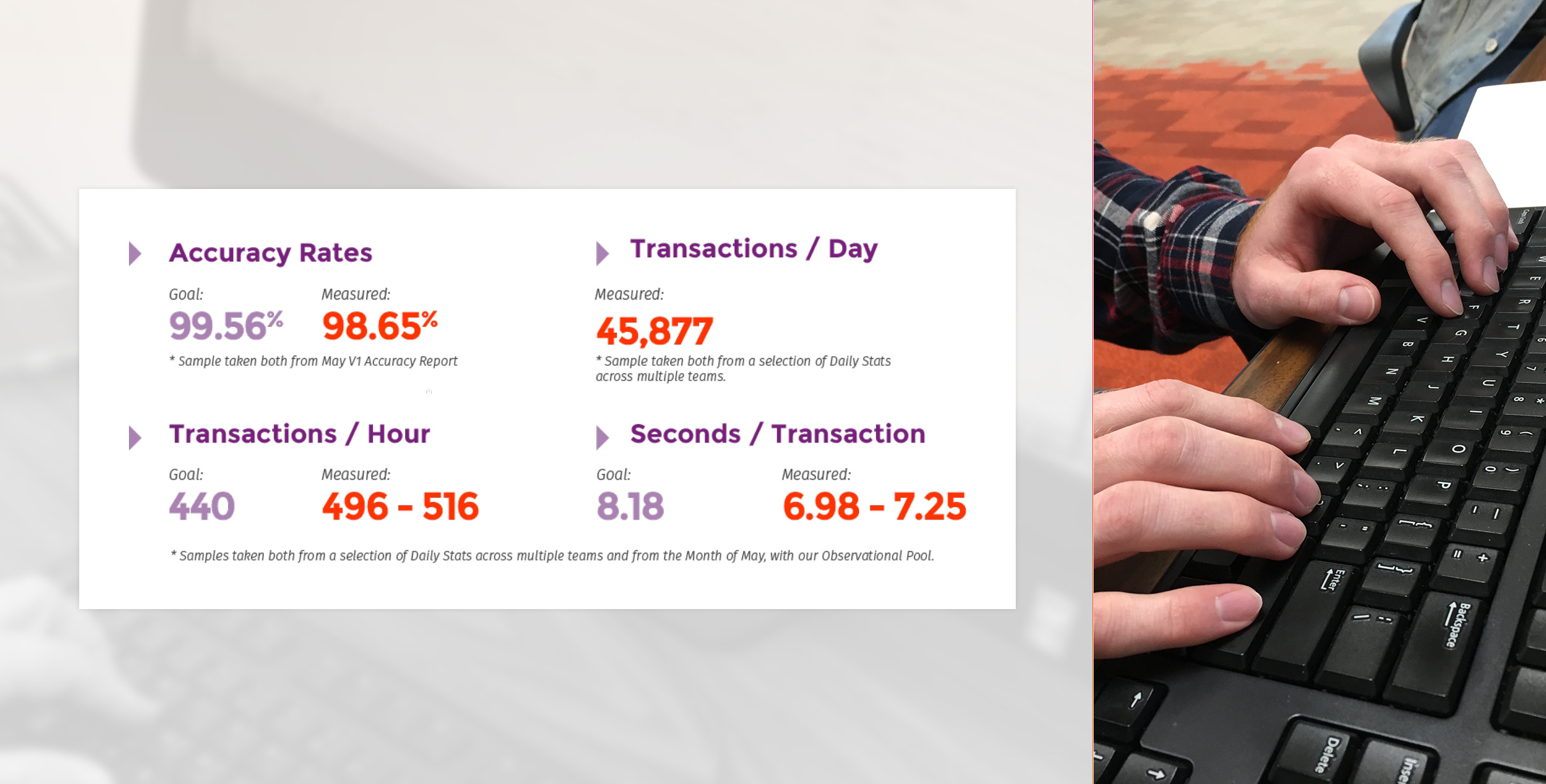
Here you can see an example, where we presented business goals against our measurements in various aspects, such as accuracy and speed.
-
Research and observation
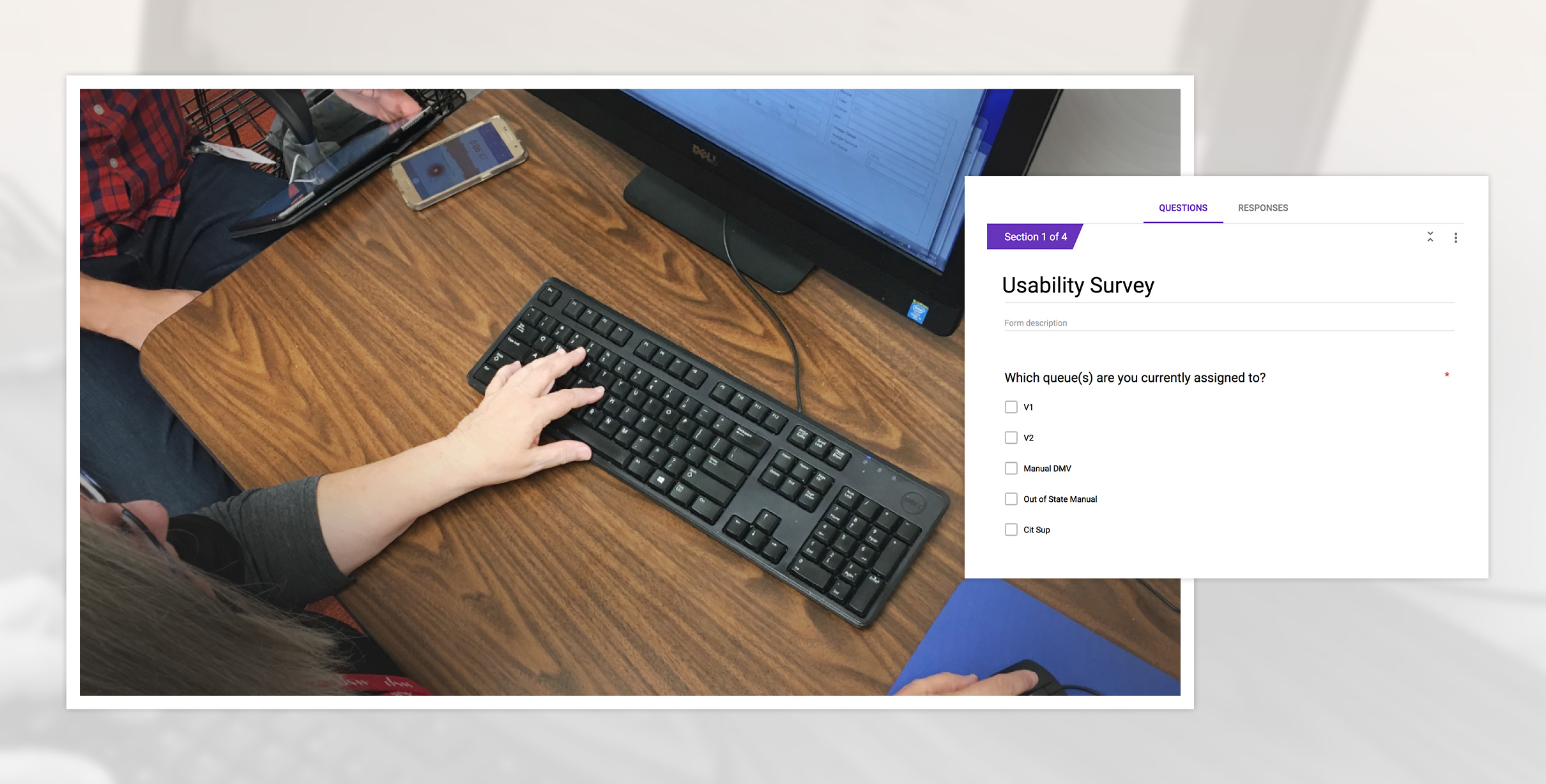
A key piece to the success of this project was to understand and get to know our Users. With the help of our client we explored and plotted out requirements and began a Discovery phase of the larger Usability Study.
Again, working closely with the client, we identified, interviewed, and observed a carefully selected group of Users. From here the Design Team explored the pool of Users from every angle, generating a set of User Personas that best resembled our diverse base of Users.
-
User Personas
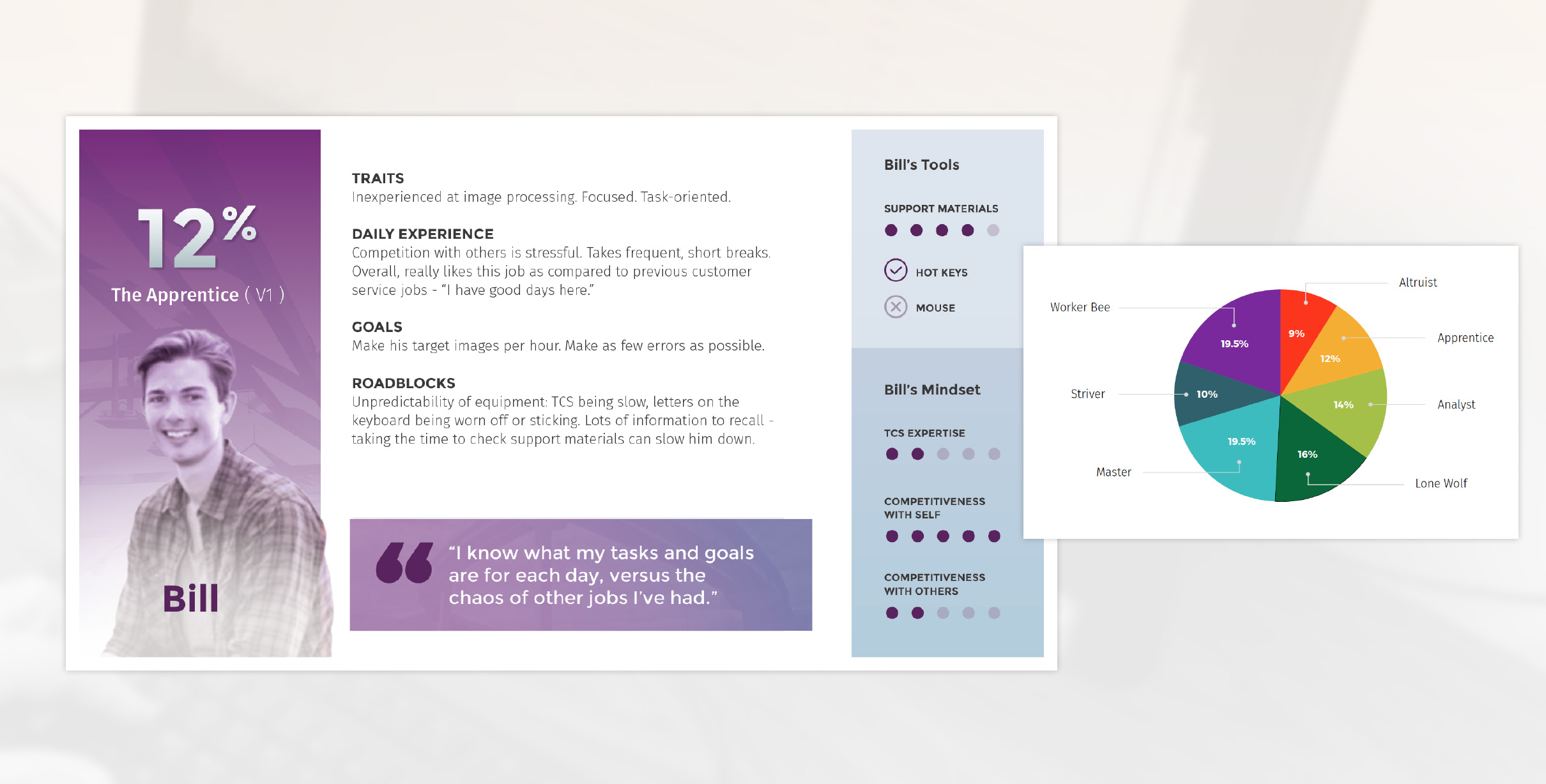
As my team and I developed User Personas, we documented trends of personality and likelihood of particular behaviors. We mapped the Personas across the data we collected, creating comparative data perspectives around our Personas.
-
Key takeaways and findings
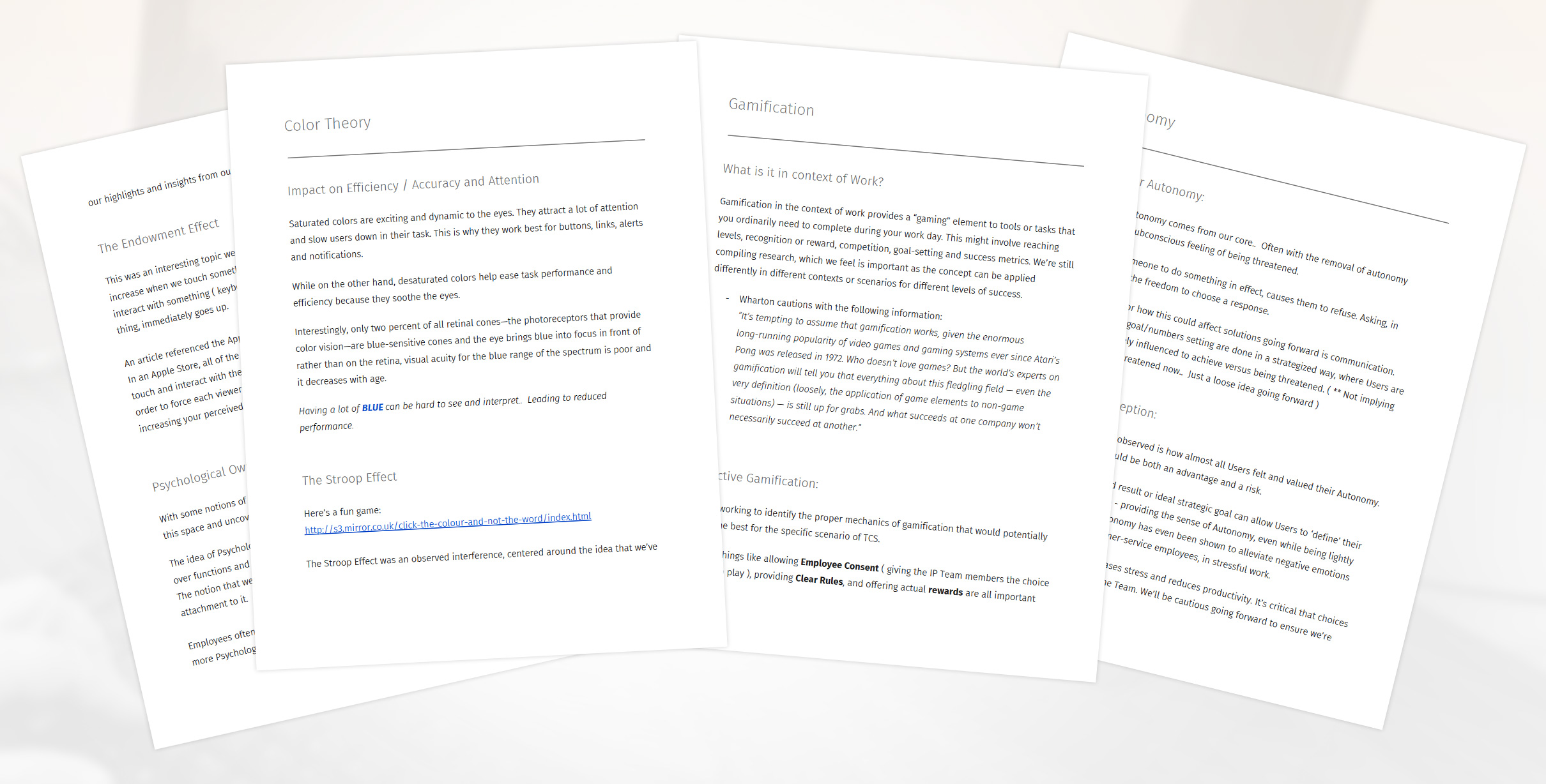
Great design starts with intent, purpose and rationale. With the intent of utilizing every bit of data uncovered and examined to drive the ultimate recommendations, my Team and I looked into a multitude of topics. Relying on data collected from our observations and interviews, our Research led us to a range of potentially impactful spaces such as how humans perceive colors, eye strain, motivation, satisfaction – even digging into how their physical environment, such as keyboards and their monitors, impacted their performance and influenced their experience.
Aspects like Flow state, Autonomy, Monotony, Music, Gamification and Feedback rose to the surface as potentially effective ways to influence our Users positively against the business goals.
-
Recommendations and continued testing
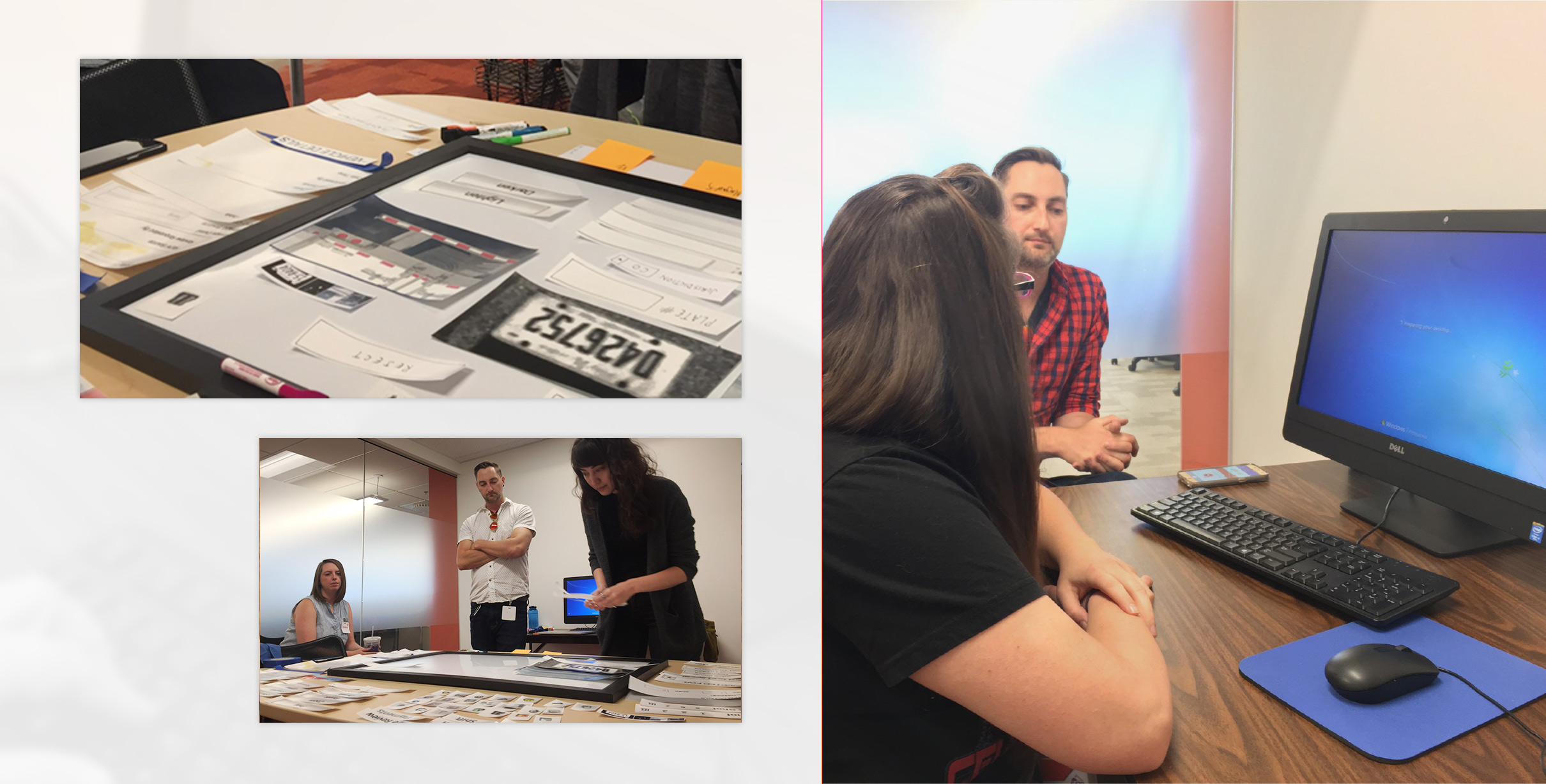
Utilizing all our presented data, observations and research, we related all our findings back to the projects original goals – improving efficiency, accuracy, retention and satisfaction.
A major piece or result of all of this was a heavily informed new concept of their software. We shared and walked through wireframes and visual designs, identifying why we arrived at every decision.
With our final presentation began the next and most critical phase of a Usability Project – implement and test. We intended to continue to utilize our same User Pool for beta testers - re-examining and validating our solution and iterating towards even more optimal solutions.