-
💼 Case Studies
Examples of my experience as a Design Leader
-
🛠️ Projects & Products
Projects and Products I've led
-
Exadel /
-
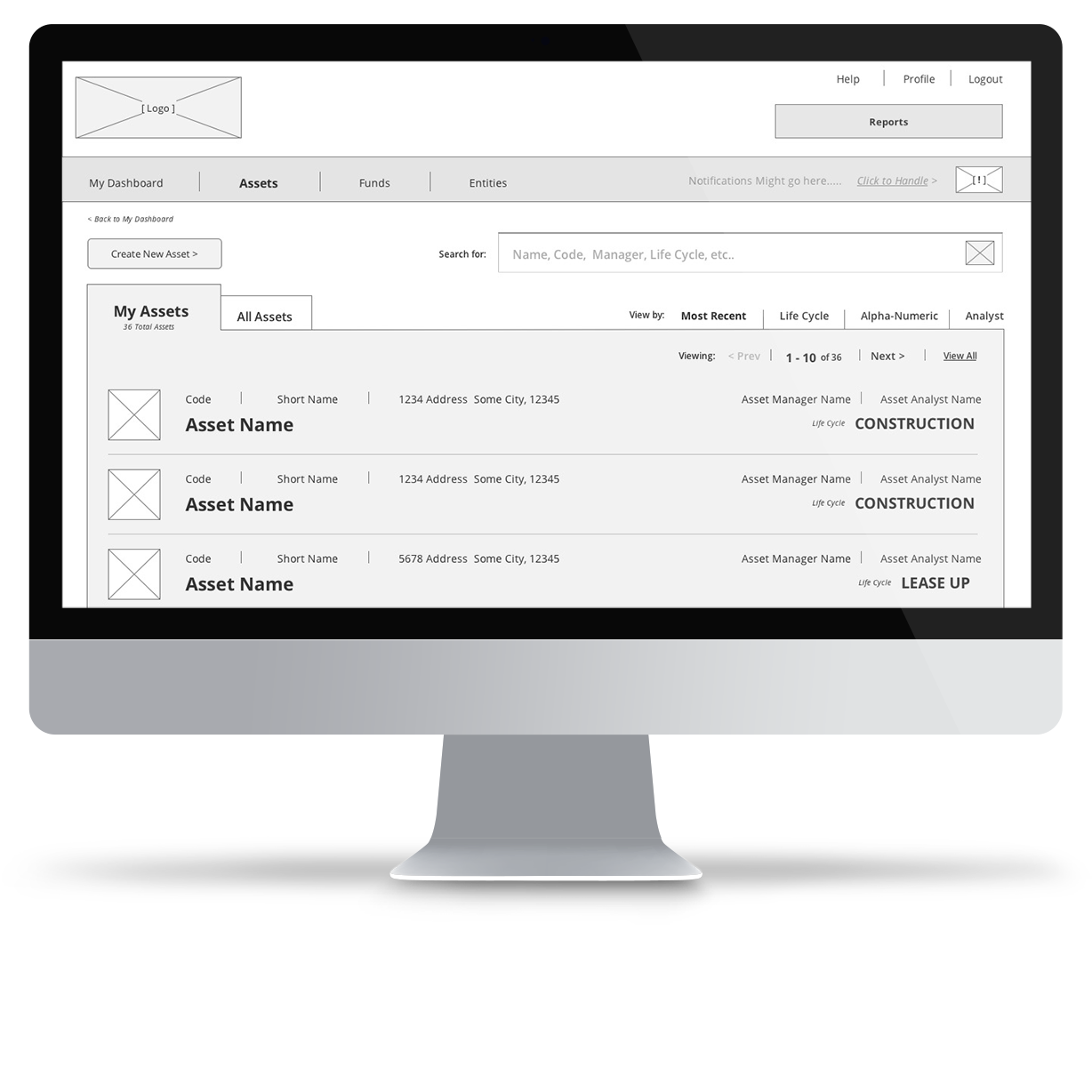
Red Stone Financial
Exadel
-
🫡 Director of Product Design I lead requirements gathering with the client, while educating them on opportunities for making the experience more and more usable. I led UX research, usability and design direction on this project.
-
Living Prototype
as Requirements
-
🚀 0 → 1
Enterprise Solution
-

💼 Case:
This Financial Management client needed a new Enterprise Platform to help aid their Asset Creation and Management of associated funds. Exadel was approached to pitch on this project which we won after guiding the client through an initial Discovery effort.
⚠️ The problem:
The client was utilizing an intricate and complex system of spreadsheets and disparate processes to manage their financial assets.
The challenges were both capturing and mirroring the existing functionality and capability within their current workflows and systems, while also navigating usability to create an intuitive and familiar platform in a centralized, enterprise software. The risk of taking workflows spread across disparate systems and compiling it into a software platform are many - but of course, adoption by the internal users and Asset Managers were top of mind.
🛠️ Process:
To successfully capture their body of workflows, processes and capabilities, I led Red Stone's stakeholders and internal teams at Exadel through a Discovery phase across several focused workshops - where we worked collaboratively to depict a functional, living prototype as requirements gathered.
Red Stone's workflows were centered around asset creation and subsequently, management. It was necessary to understand how they lived and breathed their work - ensuring they could use our intended platform to successfully build Assets to the same degree of complexity, but enabling their users to now benefit from software that could guide them through Asset generation, step-by-step, enforce rules and support errors.
-
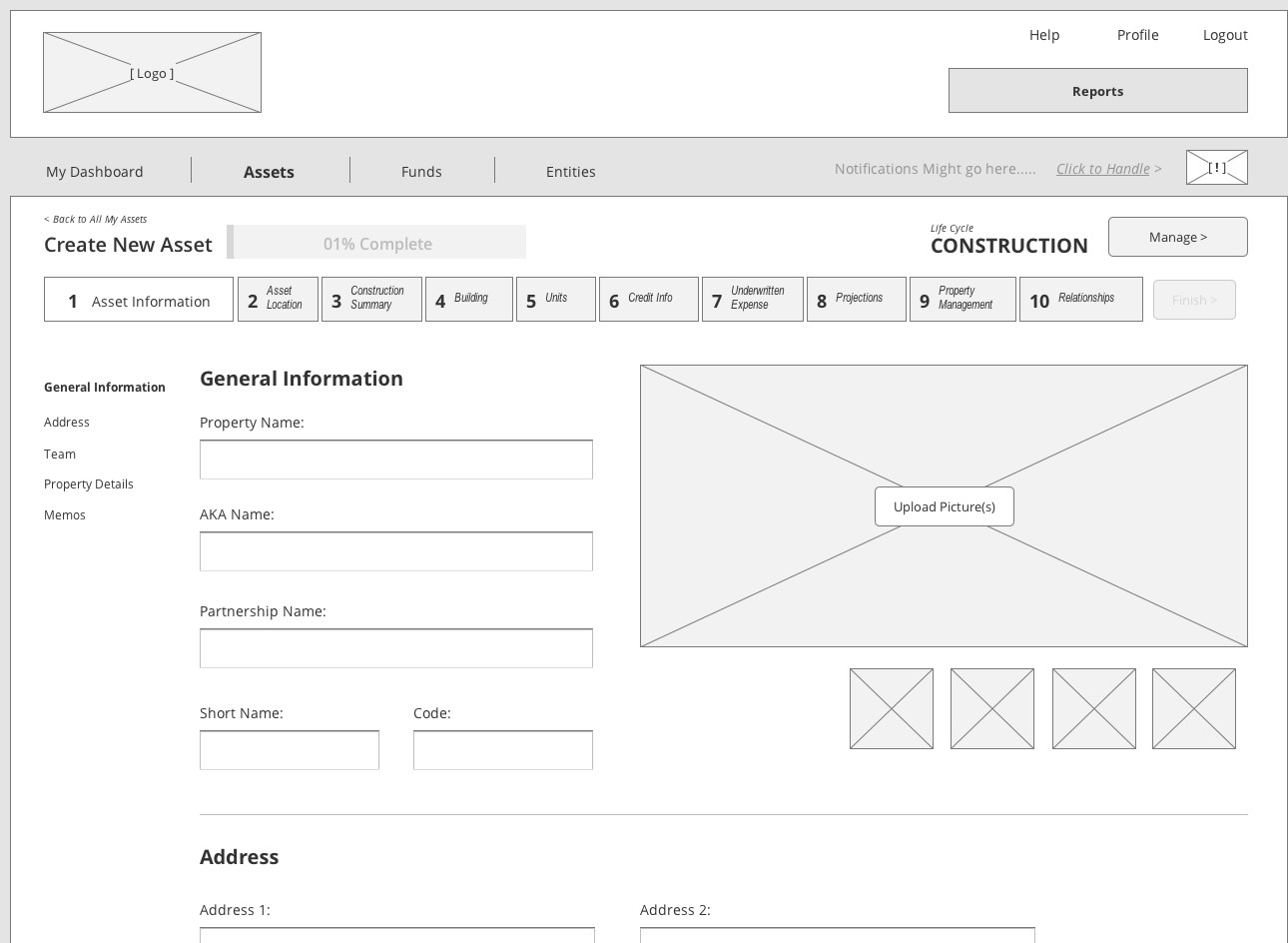
A step-by-step workflow came to life around building an asset based on Red Stone's processes.
This process led to a shared, living document that the customer and internal teams at Exadel could all navigate and experience, ensuring that the customer's needs from a totally fresh enterprise platform would be met.
View a detailed look at the Red Stone Project ↓
✅ Results:
Ultimately, I led Red Stone and Exadel through a collaborative discovery process that mapped existing disparate workflows into one, cohesive enterprise platform. A successful tool that replaced an intricate system of spreadsheets, workflows and processes.
The stakeholders themselves were able to test and experience the platform through a living prototype my team and I built in Axure, validating the platform along the way.
I distilled company and industry vernacular and concepts down to usable patterns and intuitive functions within the prototype that met Red Stone's needs.
-
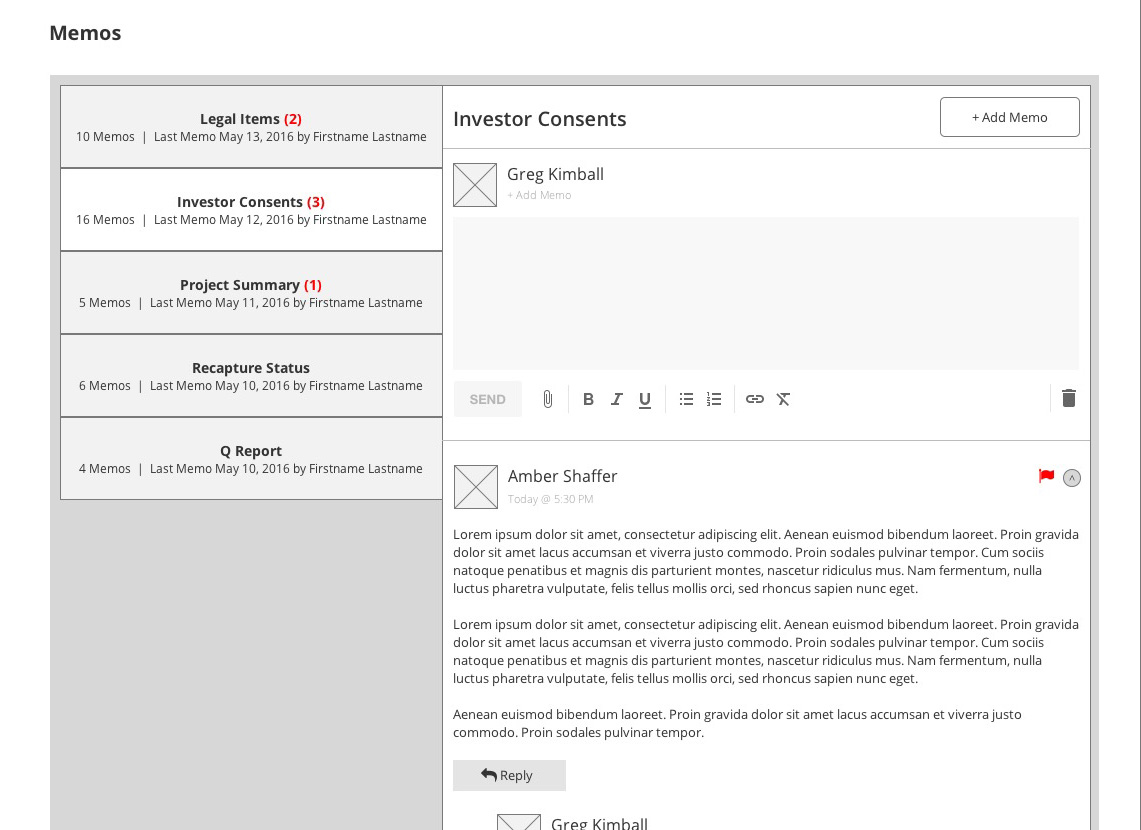
The concept of memos was woven in so that communication and tracking could occur, centralized around Assets.
Additionally, through translating their complex workflows into software, I was able to introduce human-friendly features and capabilities that added efficiency and reduced redundancy.
✉ Contact me to discuss this product and work in more detail.
Full project walk-through:
Sitemap / Information Architecture
-
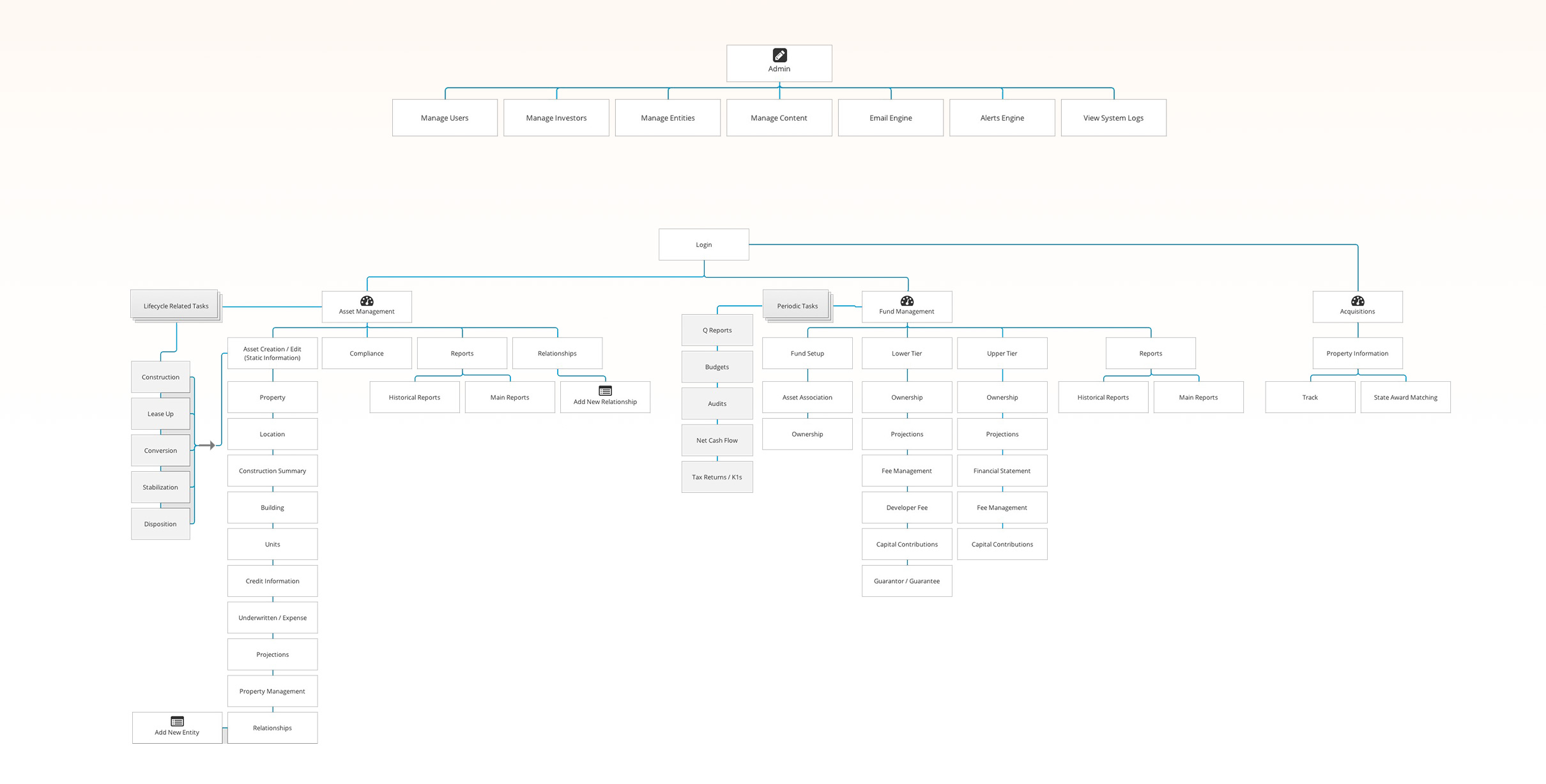
A sitemap of the new enterprise system
As I understood their system and digested their ideas, I led my team through building User Stories, Personas, documenting Requirements - all while collaborating with the client in the form of extensive Axure prototypes.
The sitemap in this project evolved as the Information Architecture took shape through wireframes.
-
Rapid Prototyping to inform requirements
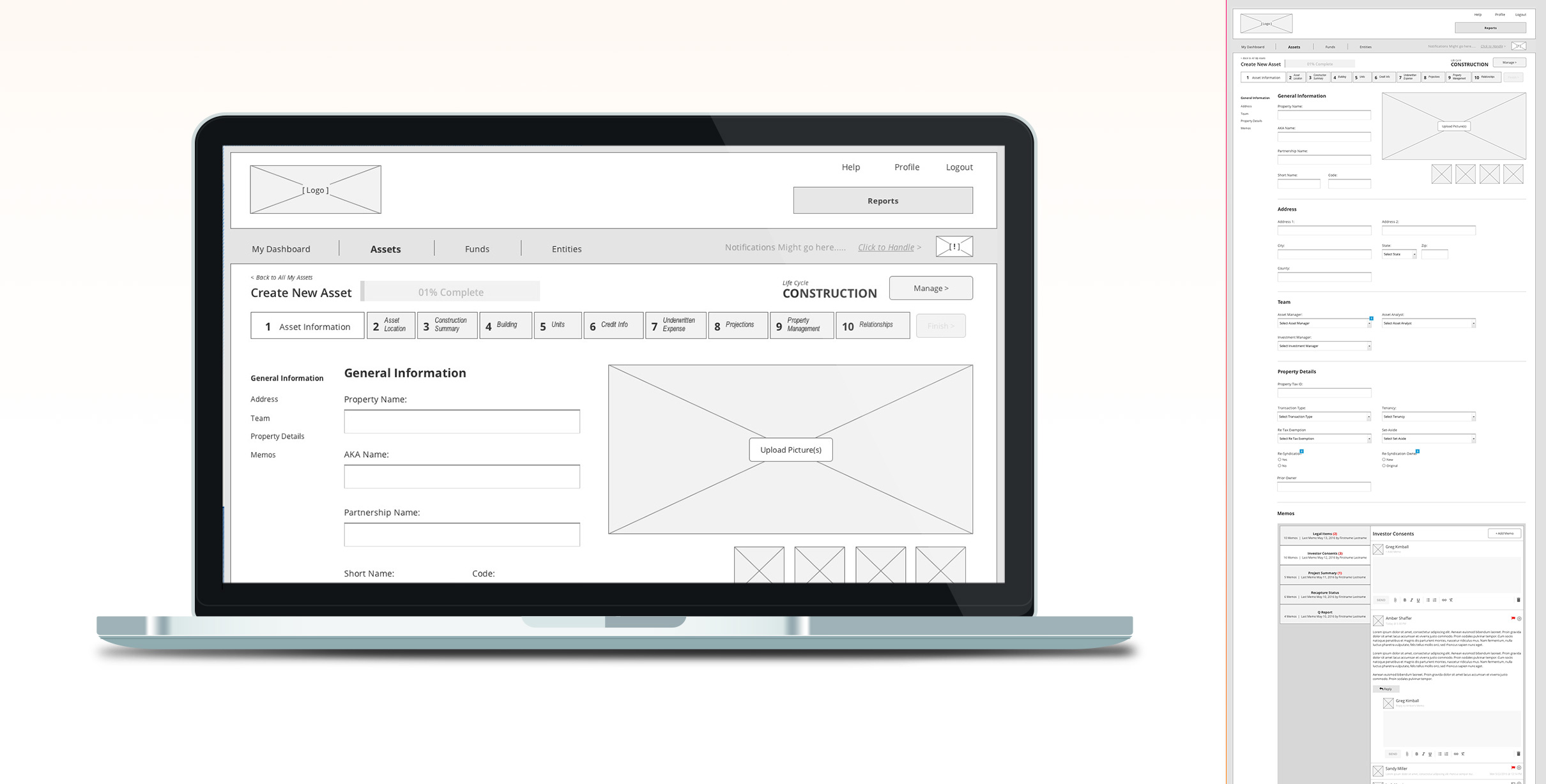
A major portion of this system was Creating a Financial Asset. The Setup needed was intensive, including several spreadsheets worth of data. After gleaning the total picture, it was clear a wizard-type of pattern would make the most sense for organizing that level of data input. Teaming that with a sticky, left navigation pattern aided instances where forms became cumbersomely long.
⇩
-
Additive / Editing Patterns
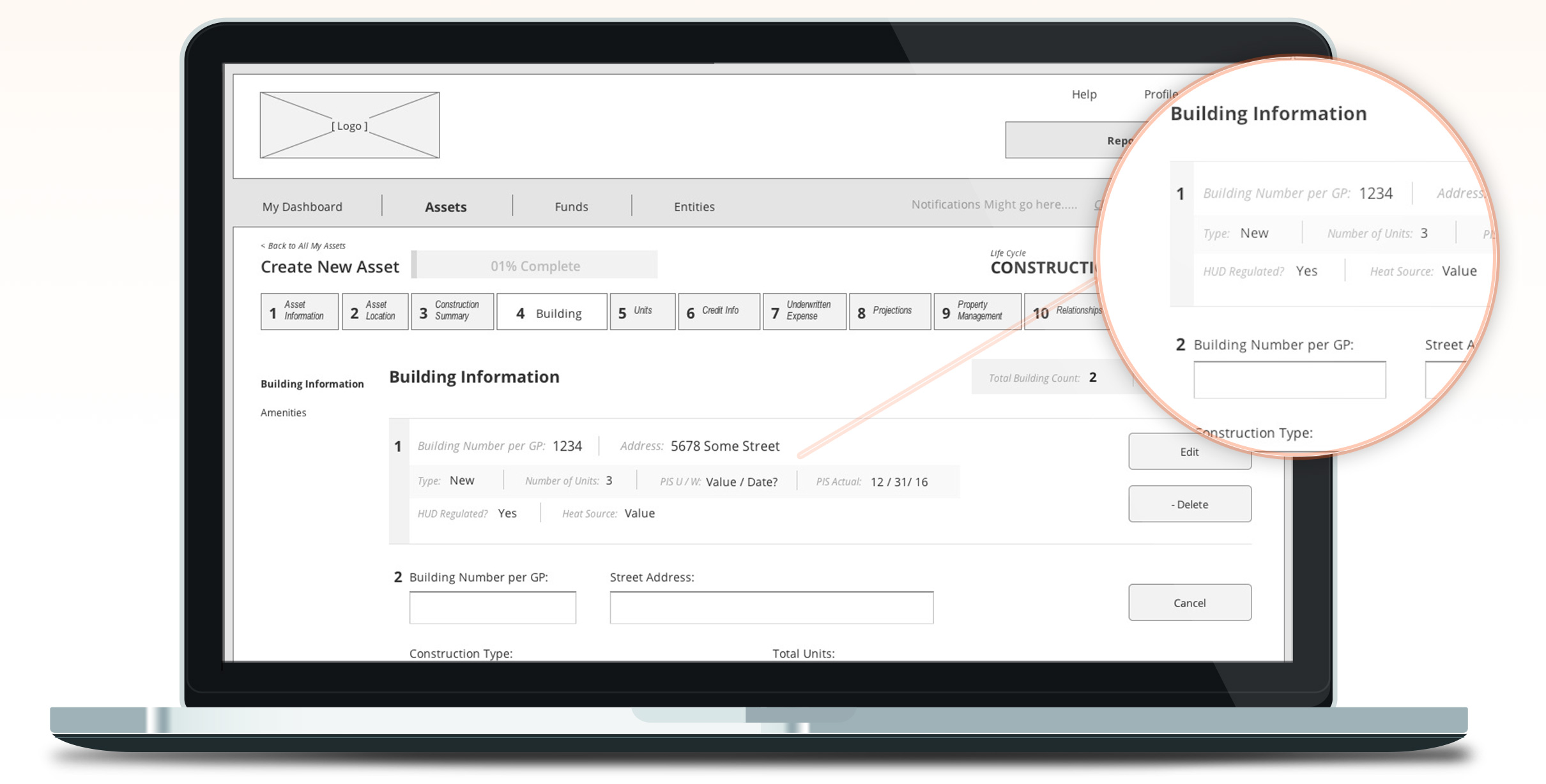
Certain sections necessitated additive capabilities / patterns - the User being able to add several of the same type of item. And then of course keeping those items editable.
-
After Setup
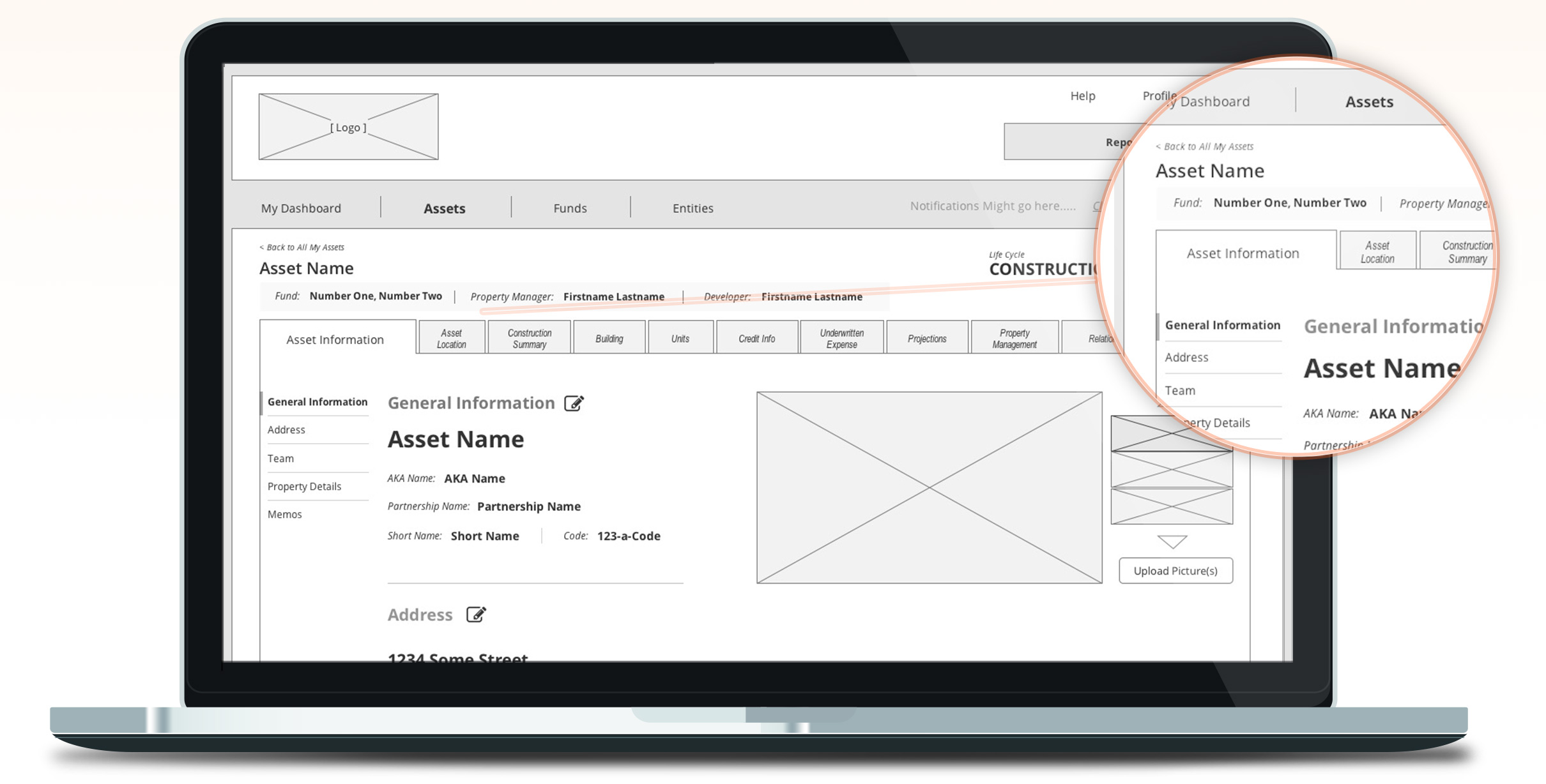
After setup, the data input was now available for the system to utilize. Keeping the data in a similar structure to the generative workflows meant that there was already some familiarity with what to expect from the User.